
Architecture
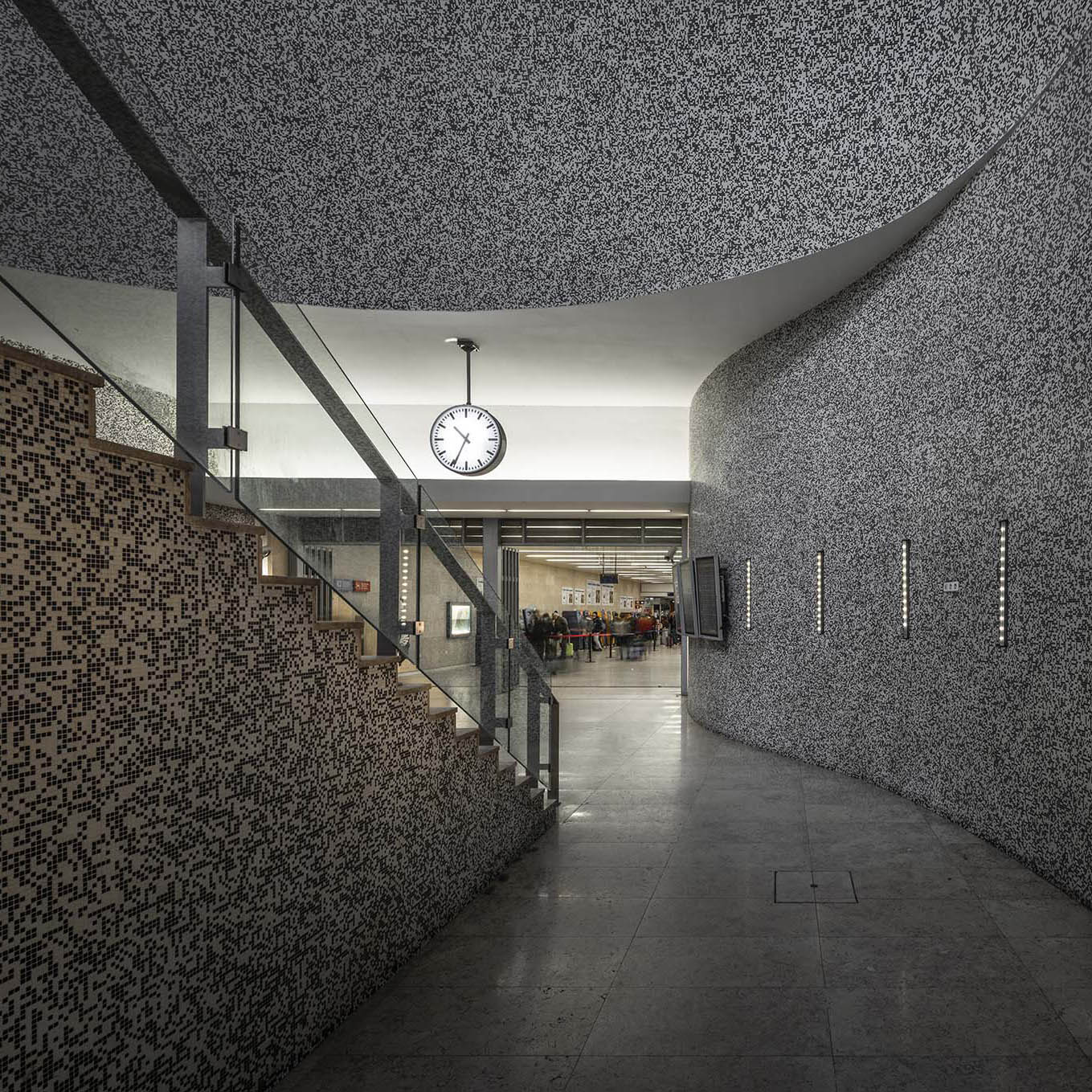
Through our attention to people and objects, our relationship with space, movement, and time, and our perception of value, we seek to refine our approach to architecture and design the best possible solution. A creative yet realistic attitude in understanding the client’s needs and desires, combined with our experience with projects of varying scales and complexities, defines the guiding principles of the project. The idea expressed in the design and brought to life in the built project is the result of a method that prioritizes attentive program management, rigorous handling of information, careful preparation of studies and designs, systematic monitoring of construction, and evaluation of the project’s performance and ability to meet established requirements.
Urban Planning
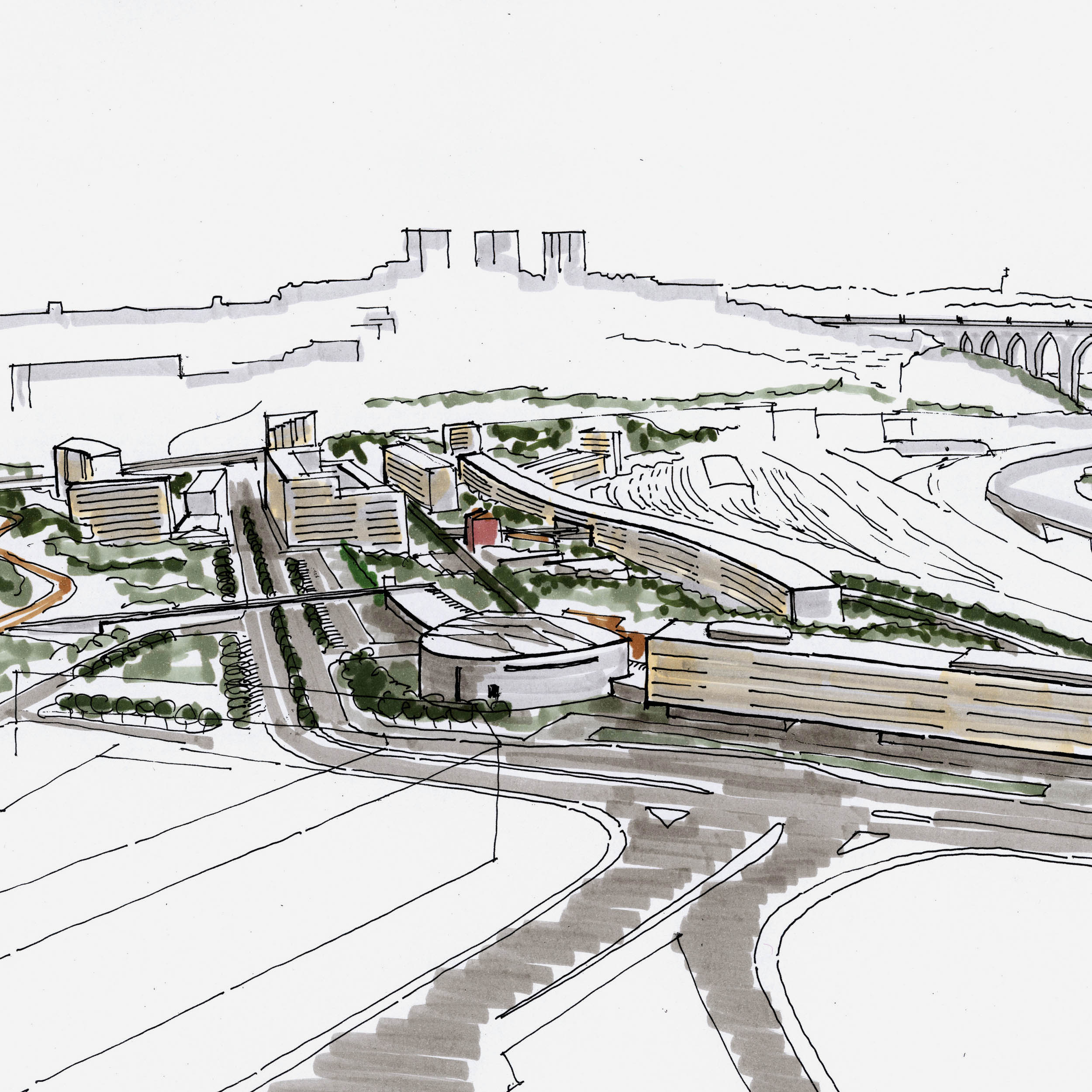
In the spirit of the “Coherent City” vision articulated by the European Council of Town Planners, Cunha Ferreira Arquitectos coordinates and manages transdisciplinary teams specializing in urban planning and regional development, recognizing the social significance of these projects and the need to balance public and private interests, while ensuring their viability in all respects.
Gastão da Cunha Ferreira is a Founding Member of the Portuguese Association of Urban Planners and served as a Board Member of the Association of Portuguese Urban Planners (2008–2014). His experience in coordinating and implementing plans includes large-scale projects, such as the new cities of Caraíba, Bahia, Brazil (17,000 inhabitants) and Barcarena, Pará, Brazil (130,000 inhabitants), as well as plans in Portugal of varying scope, involving work ranging from conception and planning to execution.
“Urban design and urban composition will be the key elements in the revitalization of cities.”
- In the New Athens Charter 2003
Consulting
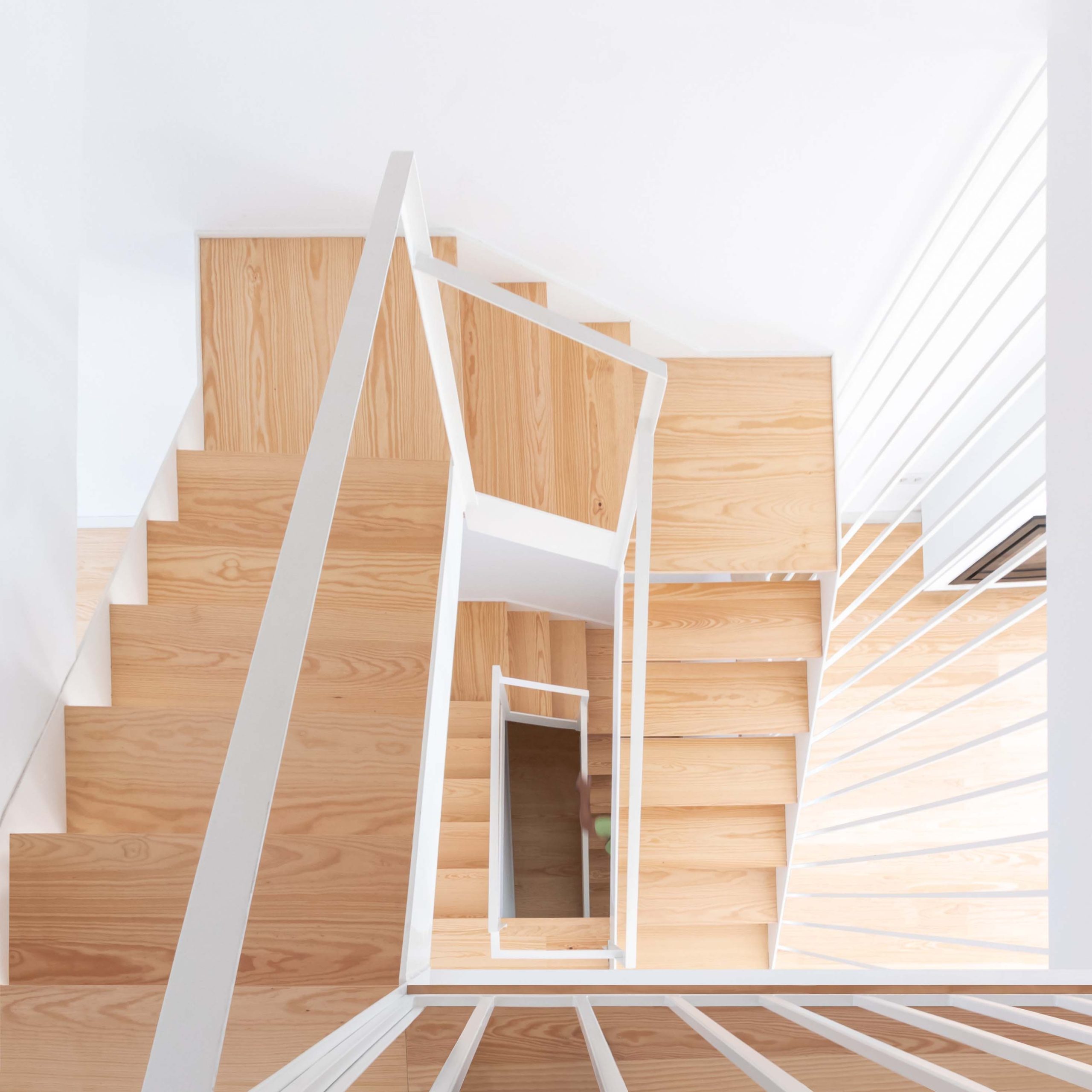
To support well-informed investment decisions, Cunha Ferreira Arquitectos provides comprehensive consulting services to define alternative scenarios for the various aspects of a project’s feasibility and the operational options to be considered during its development. These services include defining and assessing the client’s objectives,
the development of utilization programs, the analysis of the regulatory framework and other constraints, the definition of implementation and development strategies and the preparation of a procedural roadmap, as well as the conceptual study of solutions.
Technical Audit
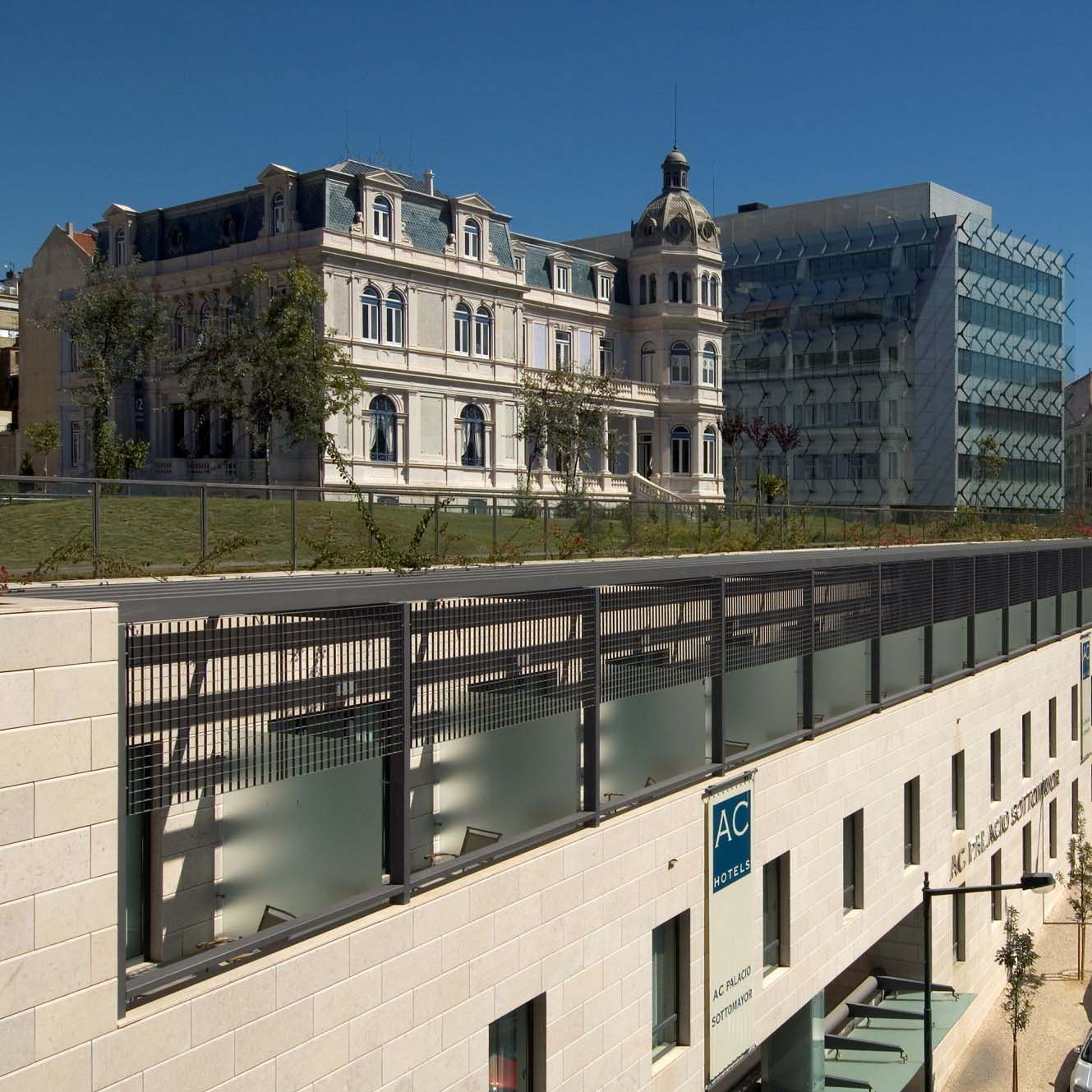
Cunha Ferreira Arquitectos assists clients in the valuation and negotiation of real estate assets and conducts technical audits that may include, in addition to assessing the current and potential physical condition of the properties, an analysis and assessment of the legal and regulatory framework, as well as an evaluation of other key constraints.
Project Management and Coordination

Cunha Ferreira Arquitectos is responsible for coordinating and managing the technical teams, ensuring communication between the client and all internal and external stakeholders, as well as the reliability and quality of the information gathered and produced, in order to promote the appropriate procedures for the project’s implementation in accordance with the established specifications and planned deadlines.
Project Review
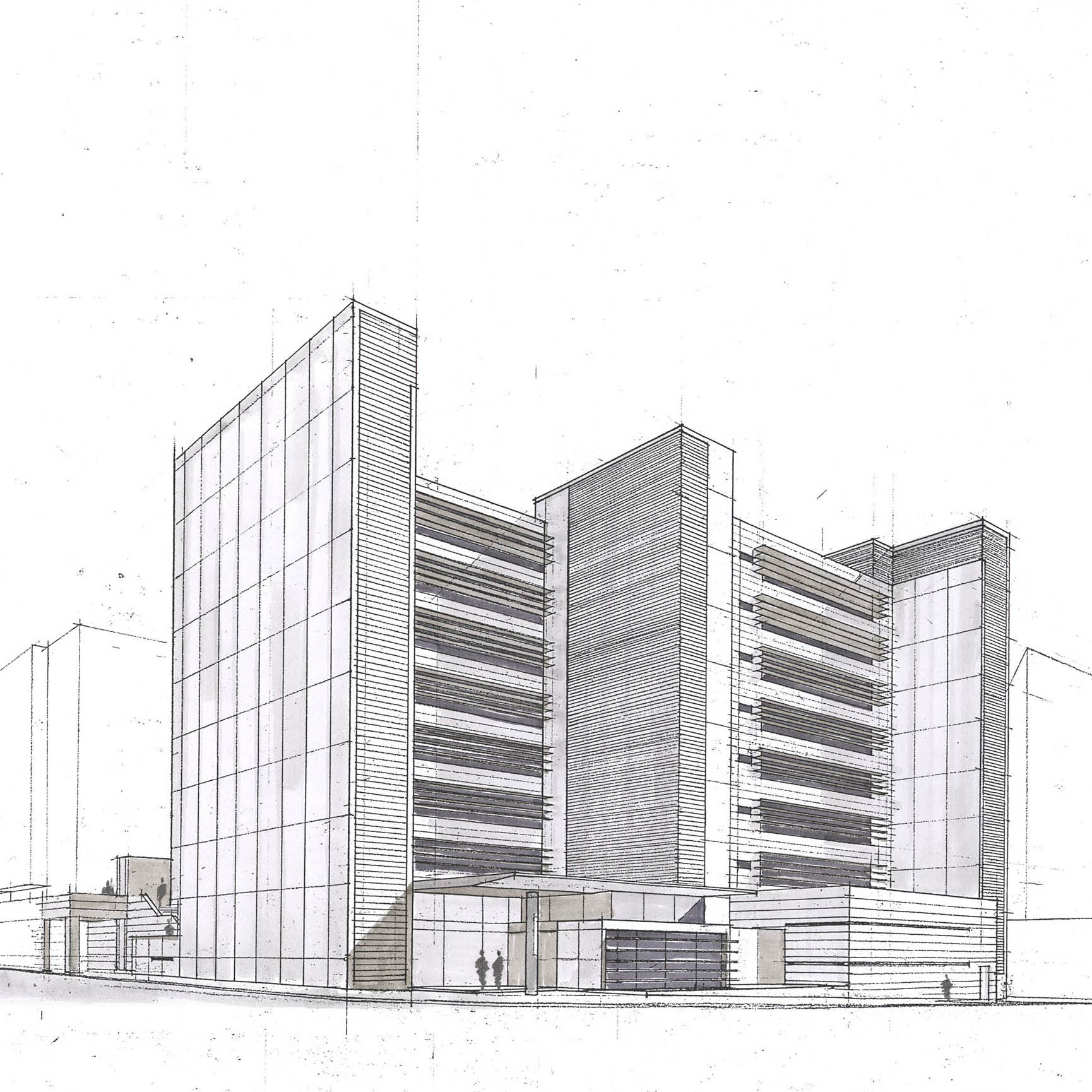
Cunha Ferreira Arquitectos reviews projects to ensure they align with the client’s objectives and contractual terms, evaluating conceptual options and compliance with applicable laws, regulations, and technical standards.
To ensure a more efficient process, the review should follow the various phases of the project’s implementation, with analysis reports prepared to keep the client informed and support the project’s technical team.
To ensure a more efficient process, the review should follow the various phases of the project’s implementation, with analysis reports prepared to keep the client informed and support the project’s technical team.
BIM Services
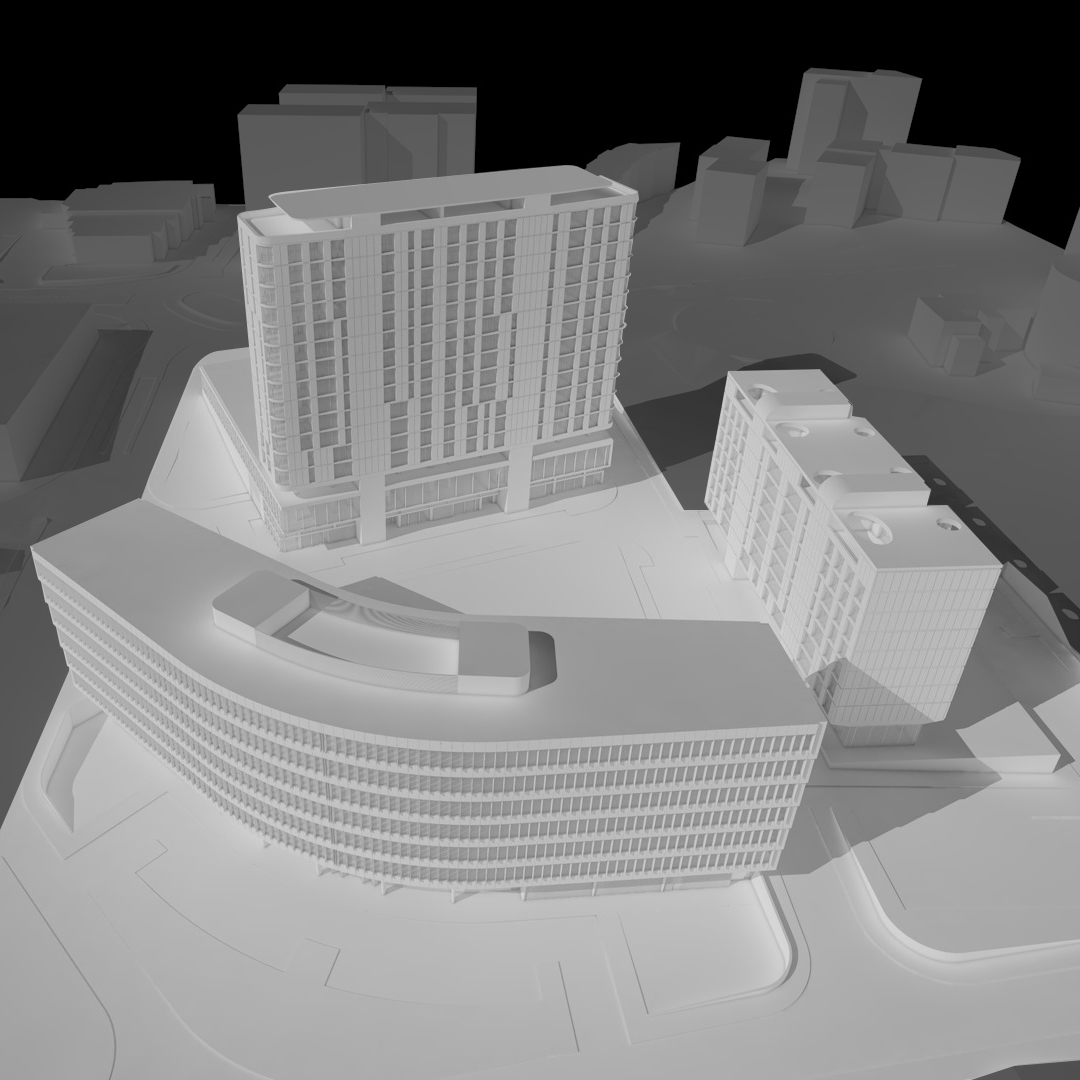
Cunha Ferreira Arquitectos develops BIM (Building Information Modeling) studies and designs in accordance with international standards, providing stakeholders with online access to 2D and 3D views throughout all project phases using the BIM X application. BIM enables the digital recording of the physical and functional characteristics of a development or building, and expands the 3D spatial dimensions by incorporating time (4D) and cost (5D), as well as environmental and sustainability considerations (6D) and the
operational management (7D). From design through demolition and the recycling of materials and components, BIM serves as a shared source of information and a reliable basis for decision-making throughout the building’s lifecycle.